How to Choose Office Furniture That Lasts
If you’ve ever had to replace a broken chair six months after buying it, or watched a desk start peeling before the year was out, you already know the real cost of going cheap on office furniture businesses rely on every day.
The upfront saving rarely feels worth it when you’re back on the website reordering the same thing two years later, or dealing with a fit-out that looks tired before your lease is even up.
So what should you actually be looking for when you shop for office furniture in New Zealand? Here’s what separates a smart investment from an expensive mistake.
What Quality Craftsmanship Really Means
Craftsmanship isn’t just a buzzword, it shows up in the details. When you’re assessing a quality chair or office desk, look at the joins, the edges, and the finish. Are the seams tight? Do the drawers slide smoothly? Does the chair feel solid when you sit in it, or does it flex in ways it shouldn’t?
Mass-produced furniture often cuts corners in places that aren’t immediately obvious: internal framing, fixings, and base materials. Quality craftsmanship means those hidden elements are built to last, not just to look good on a showroom floor.
When planning office fitouts, it pays to ask about the standards behind the products you’re considering. Furniture designed for residential use can struggle in commercial environments where it’s used all day, every day.
At Int. Workspaces, the focus has always been on sourcing products that meet commercial standards and stand up to daily use, one of the reasons many of their long-standing clients continue to return for future projects.
Materials That Stand the Test of Time
Not all materials are created equal, and the right choice depends on how your space is used. Make sure to choose materials and finishes carefully.
Solid timber and hardwood veneers age well and can be refinished if they take damage. They’re a strong option for boardrooms or executive areas where both durability and aesthetics matter.
Steel and powder-coated frames offer excellent durability for desking and storage, particularly in high-traffic areas. Look for a consistent, even finish, bubbling or thin coverage can indicate a lower-quality coating that may chip or wear prematurely.
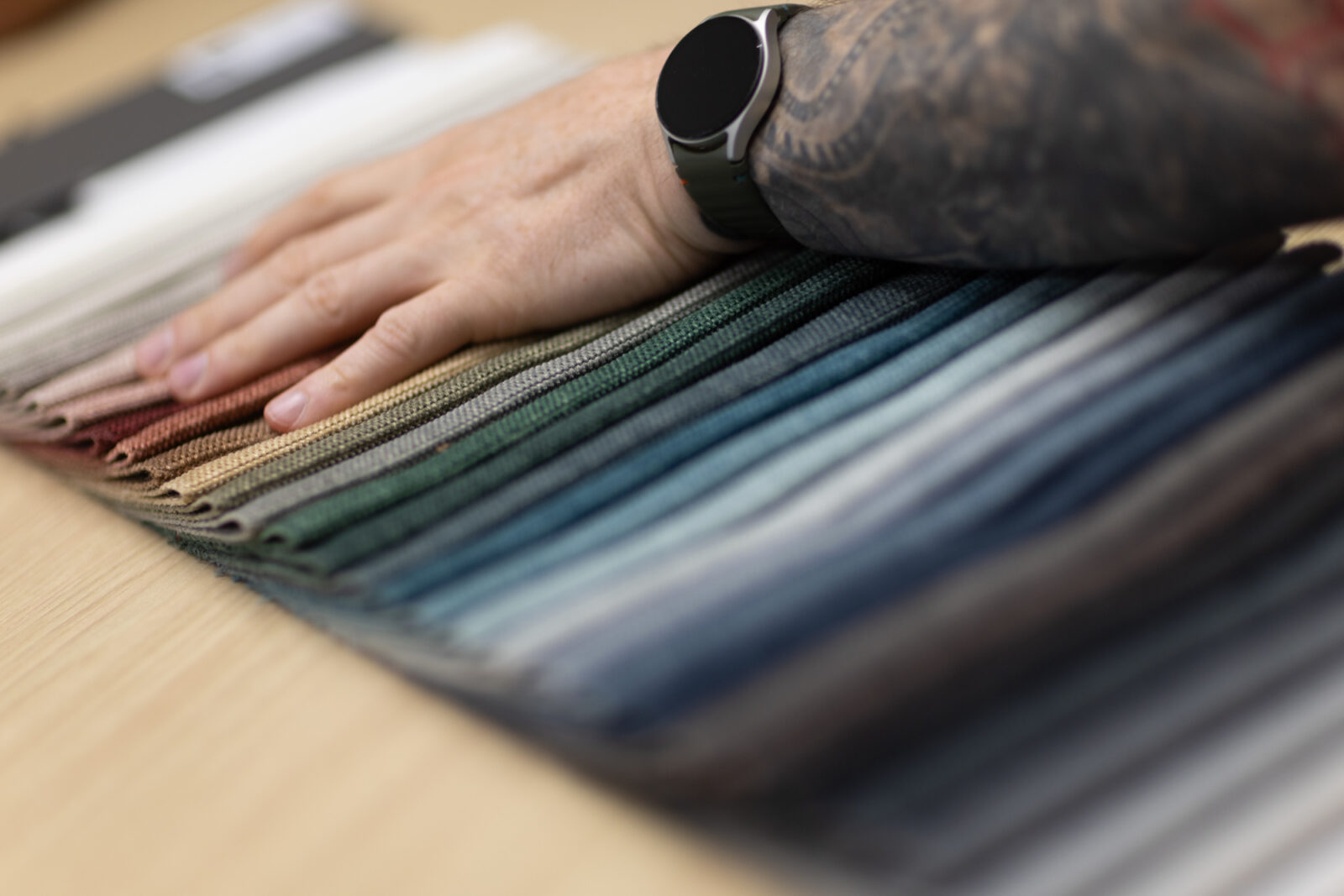
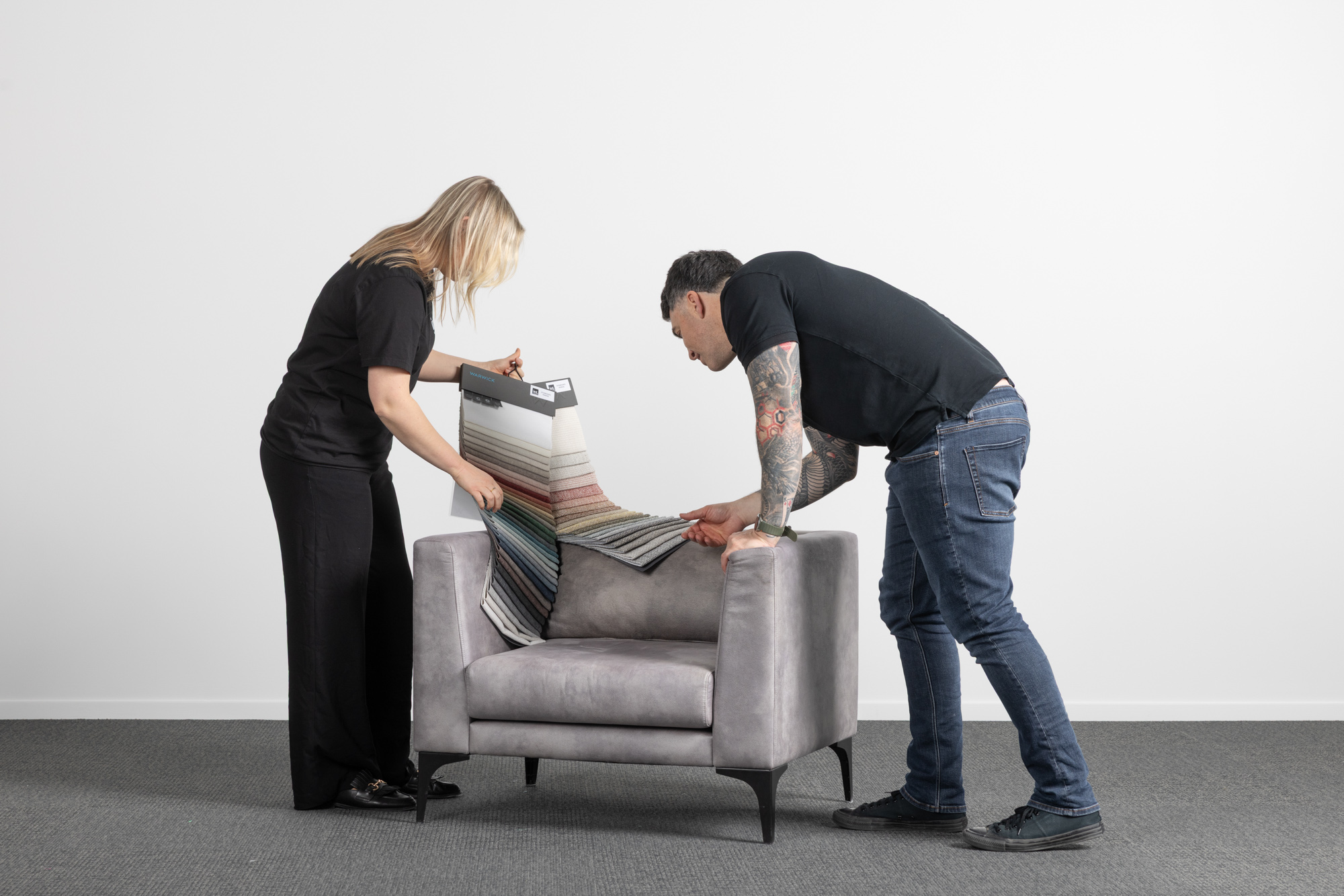
Upholstery is another common weak point. In busy offices, cheap fabric or bonded leather can pill, crack, or fade quickly. Commercial-grade fabrics are tested for durability using abrasion ratings (known as the Martindale test). Heavily used seating should typically be rated around 100,000 rubs or higher.
Sustainability is also becoming an important consideration. Furniture made with responsibly sourced timber, recycled content, or low-VOC finishes contributes to a healthier workspace and supports broader environmental goals.
Trying furniture before committing can also make a difference. Sitting in a chair (try our Trial Chair service) or testing a desk often reveals more about its quality than a specification sheet alone.
The Value of Local Support
Choosing the right furniture is only part of the process, having the right people to support you matters too.
Office fitouts often involve multiple moving parts, and questions can come up long after the furniture arrives. Working with a local team means there’s someone nearby who understands the products and can help resolve issues if they arise.
The Int. Workspaces team works closely with clients before, during, and after projects. The goal is simple: if something needs attention, there’s a local team you can reach out to who will help get it sorted.
Over time, this approach has helped build long-term relationships with organisations across New Zealand who rely on the same trusted products and support for future projects.
How to Spot Value Beyond the Price Tag
The best way to assess value isn’t the initial purchase price. It’s how well the furniture performs over time.
A desk that lasts ten years will almost always represent better value than one that needs replacing every few years. The same goes for seating, storage, and collaborative furniture.
When comparing options, it can help to ask a few practical questions:
- Is this product designed for commercial use?
- Are the materials suitable for a busy workplace?
- Is there a local team who can support us if something needs attention?
- Has the supplier worked with similar organisations before?
Longevity is also a form of sustainability. Furniture that lasts reduces waste, lowers replacement costs, and supports a more thoughtful approach to workplace design.
The best office fitouts aren’t built around the lowest price, they’re built around choices that work well for the people using the space every day.
Frequently Asked Questions
What should I look for in durable office furniture in NZ?
Look for commercial-grade materials, solid construction, and furniture designed specifically for workplace environments. Suppliers who understand commercial fitouts and can support you locally are often a safer choice.
How do I choose a quality office desk?
Consider the frame material, surface durability, and whether the desk is designed for daily commercial use. Steel frames and high-quality laminates or timber finishes tend to perform well in busy offices.
What does eco-friendly office furniture mean in practice?
It usually means furniture that is built to last, made with responsibly sourced materials, and designed so parts can be repaired or replaced rather than the entire product being discarded.
How do I know if a supplier is reputable?
Look for a showroom or physical presence, transparent information about products, and a track record of working with businesses on similar fitouts.
Is it worth investing more in office furniture?
In many cases, yes. Durable furniture supports productivity, reduces replacement costs, and helps maintain a workspace that still looks good years down the track.
Ready to make a smarter fit-out decision? Browse our range of commercial office furniture →
Other resources
View all resources